



A Complete Guide to Visual Communication
Graphic design is the art and practice of communicating ideas through visual content. It combines typography, colour, imagery, layout, and branding to create designs that inform, persuade, and engage an audience.
From logos and websites to packaging, social-media posts, advertisements, and magazines, graphic design shapes how people experience brands and information every day. In a competitive digital world, strong design helps businesses stand out and build trust.
What Is Graphic Design?
Graphic design is a form of visual communication. Designers use images, text, symbols, colour, and layout to create clear and appealing messages for a specific audience.
A graphic designer may work on a company logo, product packaging, marketing campaign, website banner, printed brochure, or digital advertisement. The goal is not simply to make something look attractive; it is to make information easy to understand and memorable.
Why Is Graphic Design Important?
Graphic design plays a major role in brand identity and customer perception. A well-designed visual identity can make a business look credible, professional, and recognisable. Poor design, on the other hand, can make even a strong product or service seem less trustworthy.
Effective graphic design helps organisations:
- Build a consistent brand image
- Communicate messages quickly
- Improve audience engagement
- Make content easier to read and understand
- Support marketing and sales campaigns
- Create memorable customer experiences
Whether a business operates online, in a local community, or internationally, visual communication is essential.
Types of Graphic Design
Branding and Logo Design
Branding design creates the visual identity of a business or organisation. This may include a logo, colour palette, typography, icons, and brand guidelines.
A strong brand identity creates consistency across websites, social media, packaging, advertising, and printed materials.
Marketing and Advertising Design
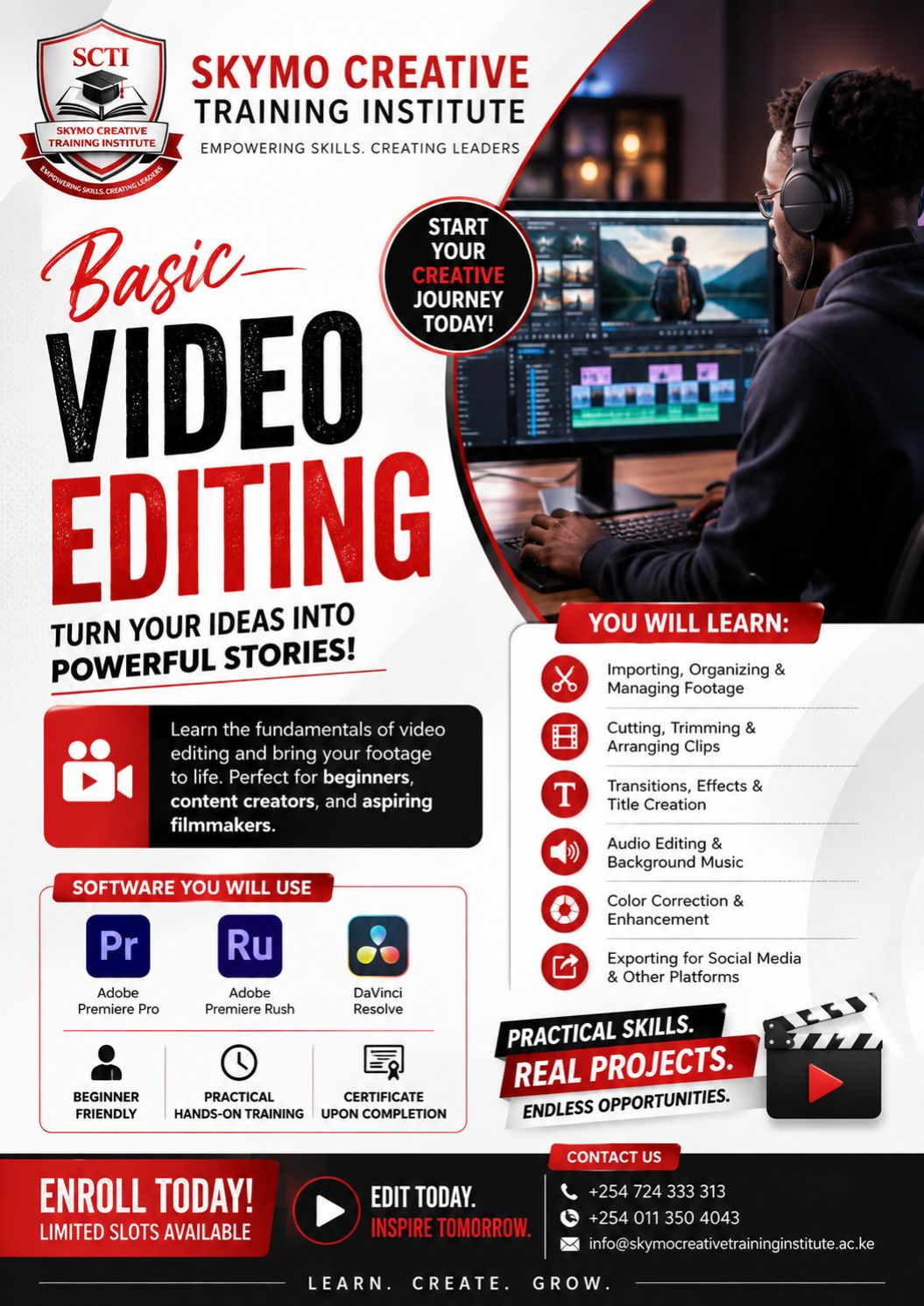
Marketing designers create visuals that promote products, services, events, and campaigns. Examples include posters, flyers, social-media graphics, email banners, digital adverts, and billboards.
The most effective marketing design combines creativity with a clear call to action.
Web and User Interface Design
Web design and user interface design focus on how websites and digital products look and function. Designers create layouts, buttons, navigation systems, and visual elements that make online experiences easy to use.
Good user interface design improves accessibility, helps visitors find information quickly, and encourages them to take action.
Packaging and Print Design
Packaging design helps products stand out on shelves and communicate key information to customers. Print design includes materials such as brochures, business cards, book covers, magazines, menus, and reports.
Although digital content is increasingly important, high-quality print design remains valuable for many businesses and organisations.
Motion Graphics
Motion graphics use animation, video, sound, and visual effects to communicate a message. They are commonly used in social-media content, advertisements, explainer videos, presentations, and digital campaigns.
Short, engaging motion graphics can help brands capture attention in fast-moving online environments.
Essential Graphic Design Skills
Graphic design requires both creative judgement and practical technical ability. While software is important, the strongest designers understand the principles behind good visual communication.
Key graphic design skills include:
- Typography and font selection
- Colour theory
- Layout and composition
- Branding and visual identity
- Image editing and illustration
- Design software proficiency
- User experience awareness
- Communication and problem-solving
- Attention to detail
- Time and project management
Popular graphic design tools include Adobe Photoshop, Adobe Illustrator, Adobe InDesign, Figma, Canva, and Affinity Designer. The right tool depends on the type of work, but strong design thinking is more important than software alone.
How to Start a Career in Graphic Design
A graphic design career can begin through formal education, online learning, self-directed practice, or a combination of these routes. Building a portfolio is one of the most important steps because it shows potential employers or clients what you can create.
Start by learning design fundamentals, recreating simple layouts for practice, and completing realistic projects such as a logo, poster, social-media campaign, or website mock-up. Include your strongest work in a clear online portfolio.
Graphic designers can work in agencies, in-house marketing teams, publishing, technology companies, nonprofits, or as freelance professionals.
The Future of Graphic Design
Graphic design is constantly evolving alongside technology and audience expectations. Artificial intelligence tools, immersive media, responsive design, and short-form video are changing how designers create content.
However, human creativity remains central. Designers are needed to understand audiences, make thoughtful decisions, develop original ideas, and ensure designs are inclusive and meaningful.
The future of graphic design will favour professionals who can combine creative skill with digital fluency, adaptability, and a strong understanding of brand strategy.
Final Thoughts
Graphic design is a powerful tool for turning ideas into visual experiences. It helps businesses communicate, helps audiences understand information, and helps brands create lasting impressions.
Whether you want to hire a graphic designer, learn design skills, or pursue a creative career, understanding the fundamentals of graphic design is an investment in clearer and more effective communication.